FOKOUTECH

Uncategorized

Yeni kampanyalarıyla oyuncularını memnun eden bettilt giriş sürekli yenilik sunuyor.

Bahis kullanıcılarının %46’sı canlı casino deneyimini gerçek bir mekanda oynamaya alternatif olarak görmektedir; bu nedenle bahsegel giriş etkileşimli ortamlar sağlar.

Gerçek casino deneyimini yaşatan bettilt seçenekleri kullanıcıları büyülüyor.

Como conquistar uma big win: estratégias para o sucesso

Como conquistar uma big win: estratégias para o sucesso Nos dias de hoje, a busca por uma grande vitória, ou uma “big win“, se tornou um objetivo comum entre profissionais e empresas de diversos setores. A vontade de se destacar e alcançar resultados extraordinários é uma constante na vida de quem busca o sucesso. Neste artigo, vamos explorar algumas estratégias eficazes que podem ajudar você a transformar seus objetivos em grandes conquistas. Planejamento: a chave para o sucesso Um dos primeiros passos para alcançar uma “big win” é o planejamento. Sem um plano bem estruturado, é fácil se perder em meio a tantas tarefas e obrigações. Portanto, comece definindo metas claras e alcançáveis. Utilize o método SMART (específico, mensurável, alcançável, relevante e temporal) para delinear seus objetivos. Estabeleça metas claras Defina o que você considera uma vitória em sua vida ou carreira. Isso pode variar de uma promoção no trabalho a alcançar um volume maior de vendas. Ao ter uma visão clara do que você deseja conquistar, fica mais fácil traçar o caminho para alcançá-lo. Escreva suas metas em um papel. Revise suas metas regularmente. Divida metas grandes em objetivos menores. A importância da persistência A jornada rumo a uma “big win” pode ser repleta de desafios e obstáculos. A persistência é uma qualidade essencial para aqueles que desejam alcançar grandes resultados. Não se deixe desanimar por contratempos; em vez disso, veja-os como oportunidades de aprendizado e crescimento. Aprenda com os erros Erros são parte do processo. Ao invés de desanimar, analise o que deu errado e como você pode evitar cometer os mesmos erros no futuro. Essa mentalidade resiliente pode ser a diferença entre o sucesso e o fracasso. Networking: construindo relacionamentos Outro aspecto fundamental para alcançar uma “big win” é o networking. Estabelecer conexões significativas pode abrir portas que você nunca imaginou. Participe de eventos, faça cursos e interaja com pessoas que compartilham dos mesmos interesses e objetivos. Participe de eventos do seu setor. Conecte-se com profissionais nas redes sociais. Compartilhe suas experiências e aprenda com os outros. Desenvolvimento pessoal e profissional Investir em si mesmo é crucial para alcançar uma “big win”. Isso envolve tanto o desenvolvimento pessoal quanto o profissional. Leia livros, faça cursos online e busque sempre aprender algo novo. O conhecimento é uma ferramenta poderosa que pode levá-lo a novos patamares. Manter-se atualizado O mercado está em constante mudança, e manter-se informado sobre as tendências da sua área é essencial. Isso não só ajudará você a se destacar, mas também permitirá que você se adapte às novas demandas e oportunidades. Conclusão Alcançar uma “big win” exige dedicação, planejamento e a capacidade de aprender com os desafios. Ao aplicar as estratégias mencionadas neste artigo, você estará mais preparado para conquistar seus objetivos e transformar suas aspirações em realidade. Lembre-se de que cada passo conta e, com persistência e foco, você estará a caminho de grandes vitórias.
Cresus casino : Découvrez l’univers fascinant des jeux en ligne

Plongée dans l’univers des jeux de casino en ligne Introduction aux casinos en ligne Le monde des casinos en ligne a connu une croissance exponentielle ces dernières années. Avec l’avènement de la technologie et l’accessibilité d’Internet, de nombreux joueurs se tournent vers les plateformes virtuelles pour profiter de leurs jeux de hasard préférés. Parmi ces plateformes, cresus casino se distingue par son offre variée et ses fonctionnalités attrayantes. Les avantages des jeux en ligne Jouer dans un casino en ligne présente plusieurs avantages par rapport aux casinos traditionnels. Voici quelques-uns des principaux bénéfices : Accessibilité : Les joueurs peuvent accéder à leurs jeux préférés depuis n’importe où et à tout moment. Variété de jeux : Les casinos en ligne proposent une large gamme de jeux, allant des machines à sous aux jeux de table. Bonus et promotions : De nombreux établissements offrent des bonus d’inscription et des promotions régulières pour attirer les joueurs. La sécurité dans les jeux en ligne Un autre aspect essentiel des casinos en ligne est la sécurité. Les joueurs doivent s’assurer que la plateforme choisie est fiable et sécurisée. cresus casino, par exemple, utilise des technologies avancées pour protéger les données personnelles et financières de ses utilisateurs. Les méthodes de paiement disponibles Lorsque vous choisissez un casino en ligne, il est crucial de vérifier les méthodes de paiement proposées. Les options varient souvent d’un site à l’autre. Cresus casino offre plusieurs moyens de dépôt et de retrait, y compris les cartes de crédit, les portefeuilles électroniques et les virements bancaires. Les jeux populaires sur Cresus casino Les joueurs cherchent généralement des jeux populaires qui offrent non seulement du divertissement, mais aussi des gains intéressants. Sur cresus casino, vous pouvez trouver : Machines à sous : Avec des thèmes divers et des jackpots progressifs. Jeux de table : Comme la roulette, le blackjack et le poker. Jeux en direct : Pour une expérience immersive avec des croupiers en direct. Conclusion En somme, le monde des casinos en ligne, et plus particulièrement cresus casino, offre une expérience de jeu riche et variée. Que vous soyez un joueur novice ou expérimenté, il existe une multitude d’options pour satisfaire vos envies de jeux. N’oubliez pas de jouer de manière responsable et de profiter des avantages que ces plateformes ont à offrir.

Innovation Technologique, Hardware and Software Development, Entwicklung von Hardware und Software

Hardware and Software Development: The Essential Alliance for Technological Innovation

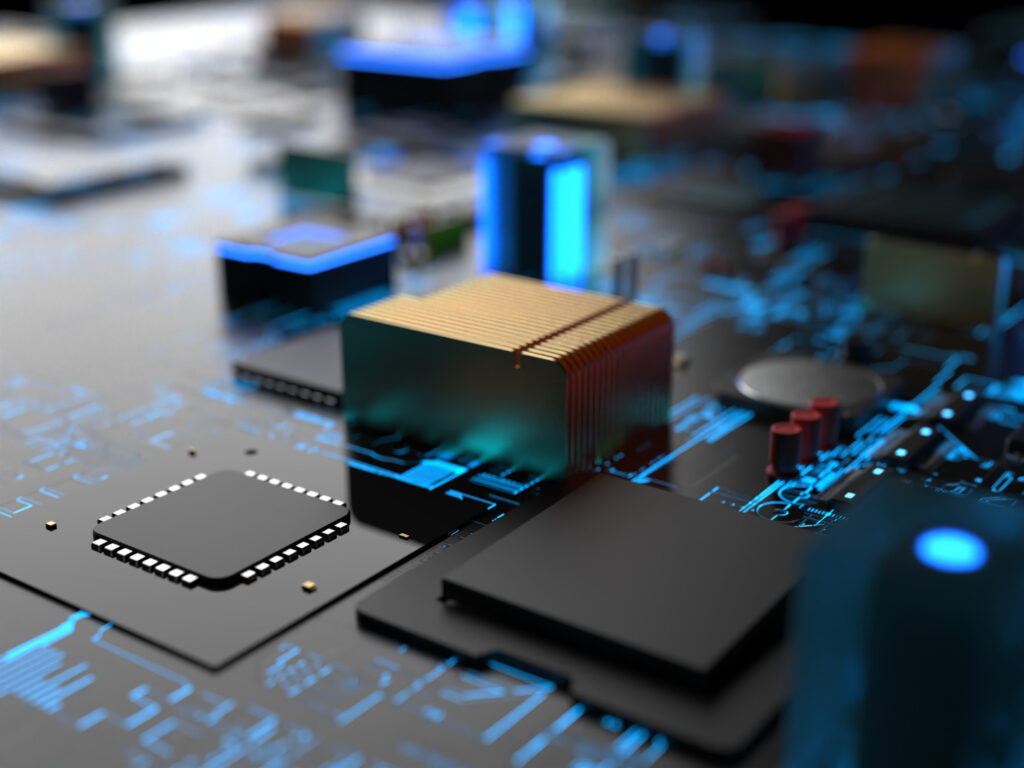
Hardware and Software Development: The Essential Alliance for Technological Innovation Hardware and software development are at the heart of the technological innovations that shape our world. These two fields, though distinct, are inseparable when it comes to creating high-performance, reliable technological solutions. Whether it’s smartphones, autonomous cars or medical devices, the harmonious integration of hardware and software is essential to deliver optimal user experiences and meet growing market needs. Interaction between hardware and software Hardware and software development must be seen as a collaborative process. Hardware is the physical foundation on which software runs, but without well-designed software, even the most advanced hardware cannot reach its full potential. Hardware engineers focus on designing robust components such as processors, motherboards and storage devices, while software developers create programs that exploit these components to perform specific tasks. Challenges in hardware and software development The joint development of hardware and software presents unique challenges. One of the main obstacles is compatibility. Software must be perfectly matched to hardware to avoid performance problems such as slowdowns or crashes. What’s more, updating hardware often requires updating software, which requires ongoing coordination between the two development teams. Another challenge is managing power consumption. Developers need to ensure that software optimizes the use of hardware resources to extend battery life in mobile devices, for example. This requires a thorough understanding of the inner workings of the hardware, as well as software optimization skills. The importance of customization in hardware and software development The current trend in hardware and software development is towards customization. Companies are increasingly looking to create tailor-made solutions that specifically meet the needs of their users. This means that software must be designed to take advantage of the hardware’s unique capabilities, offering a smoother, more intuitive user experience. For example, in video games, the development of specialized hardware, such as high-end graphics cards, is often accompanied by software optimized to take full advantage of these resources, delivering unrivalled performance. Similarly, in the medical sector, connected medical devices require software capable of rapidly processing and analyzing complex data, while running on reliable and accurate hardware. The future of hardware and software development The future of hardware and software development lies in continuous innovation and the integration of new technologies, such as artificial intelligence and the Internet of Things (IoT). These technologies call for even closer interactions between hardware and software, paving the way for intelligent devices capable of learning and adapting to user needs. The rise of cloud computing is another factor influencing hardware and software development. With the cloud, much of the processing can be offshored, enabling the design of devices with less powerful hardware, but which rely heavily on software to deliver high performance via remote servers. Conclusion Hardware and software development is a complex but essential discipline in today’s digital economy. The synergy between these two fields enables the creation of innovative products that not only meet, but exceed user expectations. As technology continues to evolve, close collaboration between hardware and software developers will remain crucial to the success of tomorrow’s technology projects. Visit our Blog page to see our recent publications. Subscribe to our Linked-In and Twitter pages for more news.  

Technology in the eneregy sector

With climate change posing a major threat to the planet’s environment, it is vitally important that we take action to reduce carbon emissions. In recent years, renewable energy sources such as solar and wind power have become increasingly affordable and widely available. These technologies require little or no maintenance and can provide us with energy for many years.  However, if we continue to use fossil fuels, the future looks bleak. Our continued dependence on oil and other fossil fuels is unsustainable and will have serious consequences for future generations. “Green” technologies like solar, wind and hydropower could be the way forward if we are to halt the devastating effects of climate change. ” The future is green with solar, wind and geothermal as green energy options. Companies are pushing for renewable energy and more and more countries are starting to follow Germany’s lead. More and more countries are choosing to switch to solar energy rather than traditional forms. The United States is in the top ten when it comes to installing solar panels on private homes. This shows that the technology is increasingly affordable and easy to use. According to the US Department of Energy, the solar industry grew by about 20% in 2017 and is projected to grow by about 30% in 2018. Solar energy is an alternative form of energy that is environmentally friendly and sustainable. It is fast becoming a popular option in many countries. Reducing dependence on fossil fuels and promoting clean energy are two of the most important steps we can take to protect our planet and ensure a more sustainable future for all.  Renewable energy is the future of energy production and a step in the right direction if we want to reduce our carbon footprint and preserve the environment for future generations.

Renewable energy technologies

Renewable energy technologies (RET) have the potential to play a significant role in the future of energy production. They offer several advantages over traditional energy sources, e.g. they are environmentally friendly and provide a stable source of energy. However, there are also some significant challenges that need to be overcome for these technologies to be widely adopted. De nombreux pays ont été fortement dépendants des combustibles fossiles pour faire fonctionner leur économie au cours des dernières décennies. Cela a entraîné une augmentation des émissions de gaz à effet de serre et un énorme fardeau pour l’environnement. Alors que les effets du changement climatique deviennent plus apparents, de plus en plus de pays dans le monde cherchent des moyens de réduire ces émissions et de passer à un système énergétique plus vert. In recent years, various technologies have been developed that have the potential to become an important part of the green energy sector in the future. These include solar panels, wind turbines, fuel cells, hydropower and geothermal energy. Each of these technologies has its own strengths and weaknesses that make them particularly suitable for certain applications. For example, solar energy is well suited for applications where grid power is not available, such as in rural areas in developing countries or in remote locations like small islands. On the other hand, wind energy is usually the best technology when it comes to providing a steady and reliable supply of energy for large applications such as cities and factories. Currently, renewable energy sources make up only a relatively small part of the global energy market. Nevertheless, there have been many technological advances in recent years that are expected to significantly drive the development of renewable energy in the coming years. In particular, the introduction of new technologies such as smart batteries and smart meters will help to further reduce the cost of generating and using renewable energy. With continued investment and development, the widespread adoption of renewable technologies is likely to become the new norm in the global energy landscape.

Impact of E-health in the world today

The advent of technology has taken our health to the next level. It was primarily focused on the improvement of communication between health professionals and patients. However, it has gradually evolved into a broad term encompassing all health related technologies including telemedicine, telemonitoring and digital health solutions.  In just a few years, e-health has gone from an idea to a reality. Thanks to the Covid 19 conference, which took place in December last year, e-health has experienced a growth spurt and will continue to grow exponentially in the coming years. E-health is the use of technology to improve access to healthcare services and empower patients to improve their health. This means that healthcare providers can treat patients without having to contact them, and that patients can access their medical records from the comfort of their own homes, rather than having to go to a healthcare facility to have their records assessed. For example, a patient suffering from a chronic disease such as asthma could access their doctor’s records and medical recommendations online instead of having to attend an appointment in person. Accessing medical information in this way not only improves patient health outcomes, but also reduces the need for healthcare providers to provide unnecessary services, thus reducing healthcare costs in the long run. The rapid growth of e-health in recent years is mainly due to technological advances in the field of medicine. For example, the widespread use of smartphones with internet access has made access to health information more convenient than ever before. This has led to patients taking more responsibility for their own health and well-being by educating themselves about their conditions and using their own treatments to improve their health. This in turn has led to a change in the way health professionals deliver services. Whereas in the past the focus was mainly on diagnosing and treating patients, now it is much more about giving patients the tools to manage their own illnesses and providing them with the resources they need for better health. While this change in approach has undoubtedly been beneficial for patients, it has also brought challenges for health professionals, who must now adapt the way they deliver services to meet the needs of their patients in the digital age. One area that has been particularly affected by the rise of eHealth is the management of chronic diseases such as diabetes and asthma. Traditionally, these patients have been responsible for taking their medications regularly and monitoring their health regularly to ensure they stay healthy. However, with the increased use of the internet and social media in recent years, many patients have begun to rely on social media and digital monitoring devices to self-monitor their health, rather than relying on healthcare professionals to provide them with this type of information. This has led to a decrease in the number of patients who have regular contact with their healthcare providers, and fewer doctor’s appointments per year overall. As a result, health professionals also have less time available for patient care, which directly affects their ability to care for patients effectively and leads to higher stress levels among health professionals.

Artificial intelligence in medical technology

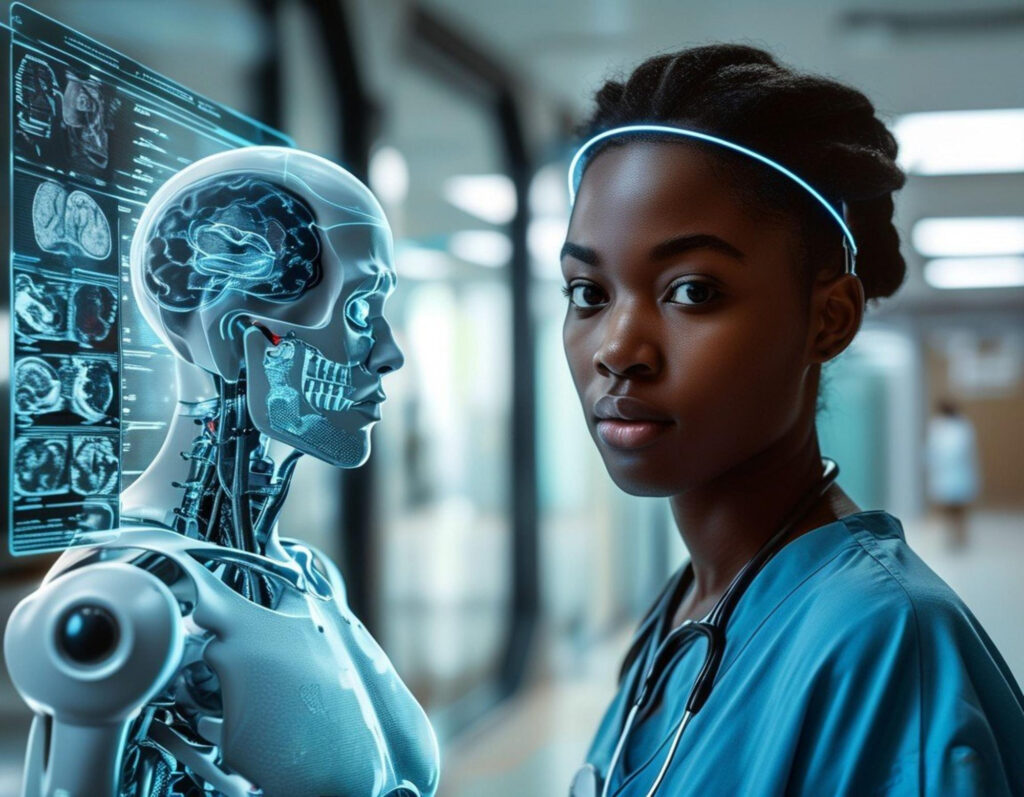
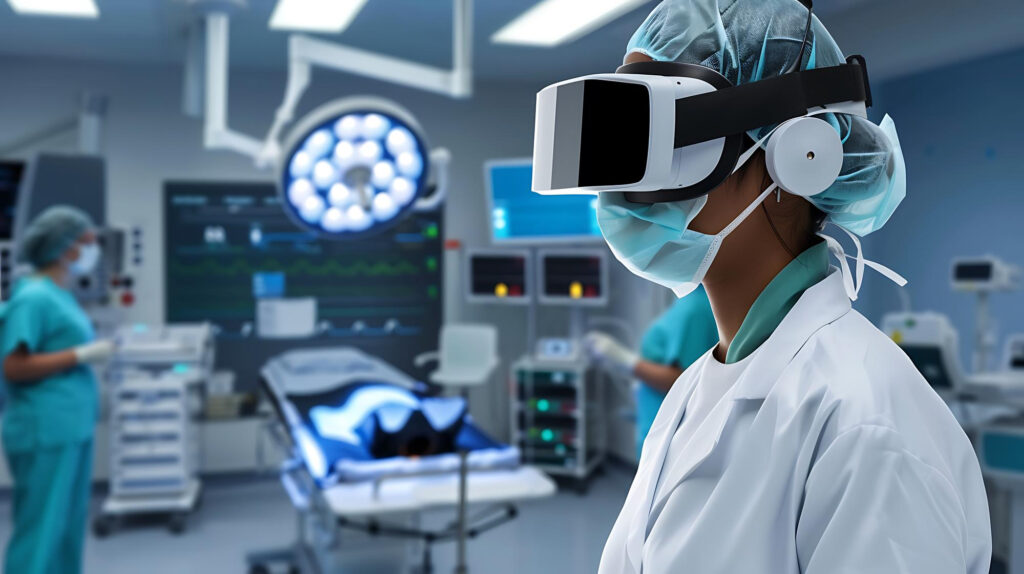
In the 19th century, surgery was considered a dangerous procedure that often ended in death for the patient. The development of anesthesia made it possible for doctors to perform life-saving operations without putting their patients in danger. As technology improved over the years, surgeons were able to perform more complex procedures that allowed patients to live healthier lives. Today, technology is even being used to diagnose previously incurable diseases using tissue samples taken from biopsies or cancer victims. This allows doctors to treat these diseases before symptoms appear, and to treat the disease in its early stages when the chances of success are greatest. In some cases, this new technology may even make it possible to avoid developing cancer altogether. Medicine is constantly evolving, and new technologies are constantly being developed to help medical professionals do their jobs more effectively. One of the most important tools doctors have in their arsenal is medical imaging equipment. These devices create detailed images of the patient’s organs and other internal structures. This allows doctors to detect abnormalities in the organs and tissues that could lead to serious health problems if left untreated. However, imaging equipment can be very expensive, and some hospitals do not have the funds to purchase them. This is where AI comes in. Advances in medical technology have also made it possible for people to get in shape without going to the gym or working out for hours every day. There are now wearable fitness trackers that track our movements and measure our heart rate, helping us lose weight and develop a healthier lifestyle. These devices can provide personalized exercise plans and calorie consumption targets to help us get in shape. They can also act as a motivational tool to keep us on track even when we do not feel like exercising. In the future, these devices may one day be able to detect when your body is in distress and automatically call for help. Right now they are only used for basic things like tracking your steps or monitoring your heart rate during exercise, but one day they might be able to monitor your entire body for signs of trouble and alert a doctor if you are in a medical emergency. Unfortunately, these devices are expensive and it can be difficult for low-income families to get them. However, there is a solution to this problem – the use of artificial intelligence (AI). AI is a technology that enables people to perform tasks that they would find difficult or impossible to do on their own. In this case, AI is being used to automate many of the tasks involved in manufacturing medical devices. This technology has the potential to revolutionize the field of medicine by making it more accessible and affordable for all. The benefits of using AI in healthcare are not limited to improving efficiency. It can also be used to make healthcare more affordable. Many of the procedures used in modern medicine can be time-consuming and costly. In some cases, surgeries can even be life-threatening. Using AI to reduce the need for time-consuming or complicated procedures can potentially reduce the number of deaths and injuries caused by these procedures. In addition, the use of AI in hospitals can reduce operating costs and free up funds that can be used to provide better care for all patients. Despite these benefits, there are also some concerns about the use of AI in medicine. Some experts fear that AI can undermine the ability of doctors to provide quality patient care. A computer programme can never replace an experienced doctor who can assess a patient’s needs and make an accurate diagnosis. It should be noted, however, that AI can never make human judgements on its own. It can only take on tasks that are currently within its capabilities. Therefore, the role of the doctor in treating patients will always be paramount. AI should complement the work of doctors, not replace it. Medical technology has greatly influenced the way we approach and treat diseases. It has changed the way we diagnose and treat diseases, and it has improved the quality of medical care for patients. It has also reduced the cost of healthcare and improved access to it for many people around the world. We believe that this technology will continue to develop and improve in the future.